Table of Contents
- 1 The Role of Social Connections in Recovery
- 2 Building Relationships with Local Organizations and Support Groups
- 3 Engaging in Social Activities and Hobbies
- 4 Creating Community Initiatives for Collective Healing
- 5 Maintaining Strong Connections Over Time
- 6 Overcoming Challenges in Building Connections
- 7 Conclusion
The Role of Social Connections in Recovery
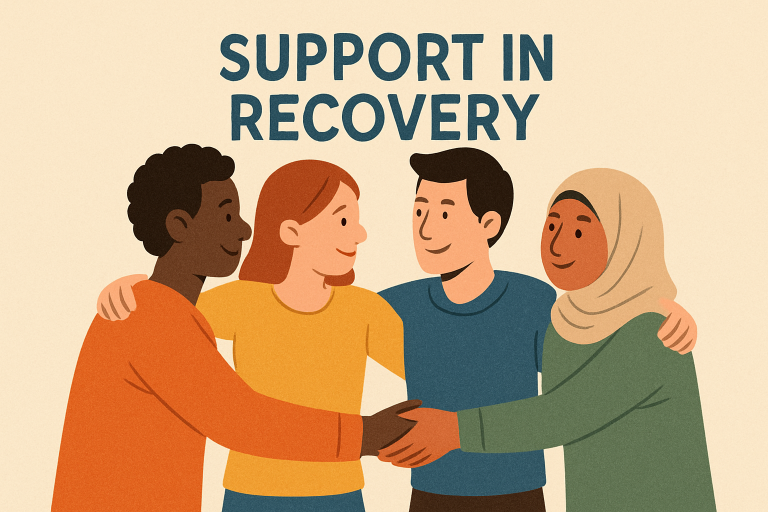
Establishing solid social connections is a cornerstone of successful long-term recovery. Research consistently demonstrates that individuals with strong networks of friends, family, or like-minded communities experience improved recovery outcomes. Supportive relationships offer more than companionship; they provide emotional support, encouragement, and the accountability needed to navigate life’s challenges. Trusted friends and peers also play a vital role in celebrating milestones and offering guidance during setbacks, underscoring the importance of fostering genuine connections throughout the recovery process.
Organizations like New Harbor Behavioral Healthcare recognize the transformative impact of community and tailor their programs to help individuals develop these vital connections. By emphasizing both individual and group therapy, they create environments where trust and mutual respect can flourish, empowering participants to build a foundation for sustained recovery and personal growth.
Building Relationships with Local Organizations and Support Groups
Connecting with local organizations and support groups provides crucial resources and a peer network, acting as anchors during uncertain times through meetings, encouragement, and collective learning. Participation in peer-led meetings, volunteering, and workshops renews purpose and deepens belonging, strengthening social ties and ensuring ongoing support embodying hope and resilience. Engagement in these communities maintains accountability and motivation, transforming relationships into lasting friendships that support long-term recovery. The digital revolution has expanded access to recovery resources, making it easier to connect via online platforms and apps offering tracking tools, forums, virtual sessions, and therapy, overcoming geographical barriers, especially in rural areas, and enabling diverse community support.
Moreover, digital resources can supplement in-person support, ensuring consistent guidance when participants need it most. Insights and advice from broad online communities, as detailed in Psychology Today’s Recovery Guide, reveal the value of combining face-to-face and virtual recovery tools for comprehensive, flexible support tailored to each individual’s needs.
Engaging in Social Activities and Hobbies
Recovery is about more than abstaining from harmful behaviors—it’s a journey toward holistic well-being. Pursuing hobbies and joining interest-based groups provide both structure and enjoyment while opening the door to supportive friendships. Recreational groups, creative workshops, sports leagues, or art classes offer environments where individuals can relax, learn, and grow alongside others who share their interests. These shared experiences bring a fresh sense of joy and fulfillment to life, supporting self-esteem and reinforcing new, healthy identities.
By nurturing these interests, individuals build bridges to new communities and discover passions that can be carried forward throughout their lives. Such positive social engagement is linked to improved moods and decreased risk of relapse, providing an invaluable foundation for sustainable recovery.
Creating Community Initiatives for Collective Healing
Collective action amplifies recovery outcomes. Community-led initiatives—such as recovery fairs, awareness campaigns, walkathons, or skills workshops—bring individuals and their supporters together in an inclusive, uplifting spirit. These events encourage participation from people at all stages of recovery and offer practical resources in a supportive environment. Not only do initiatives like these foster a sense of shared ownership and solidarity, but they also educate the broader community, reduce stigma, and highlight the possibilities of healing.
Resource fairs and educational workshops provide insights into local services, job programs, mindfulness practices, and family support opportunities. Over time, vibrant recovery communities emerge, offering hope and positive role models for both newcomers and those further along in their journey.
Maintaining Strong Connections Over Time
Recovery is a lifelong process that requires sustained dedication and adaptability. Regular check-ins with supportive networks—whether in-person, through support groups, or online communities—offer the continuity and motivation needed to face setbacks and celebrate successes. Ongoing participation in recovery activities, social outings, or community service helps maintain these connections. This enduring web of relationships serves as a buffer against isolation and fosters growth, even in the face of challenges.
Nurturing these ties fosters resilience, laying the groundwork for a fulfilling, substance-free life. Individuals are encouraged to keep investing in their networks, seeking both to support others and receive support themselves, which is essential for long-term success.
Overcoming Challenges in Building Connections
Despite its benefits, building social connections is not always easy. Many individuals encounter barriers such as social anxiety, stigma, or a lack of local resources. Professional guidance through therapists or counselors can help identify and tackle these obstacles, while online forums offer accessible tools for gradually increasing social confidence. Small steps—like joining a new club, attending a virtual meeting, or volunteering—slowly build both confidence and meaningful connections.
Being proactive and open to new experiences, while leaning on accessible resources like the Time Magazine article on rethinking addiction recovery, can empower those in recovery to overcome initial hurdles and foster lasting, enriching relationships.
Conclusion
Connection and community are at the heart of sustainable recovery. By actively cultivating supportive networks, participating in engaging activities, leveraging both traditional and digital recovery tools, and contributing to community initiatives, individuals can build a strong foundation for long-term health and fulfillment. The ongoing interplay between personal effort and community support creates a nurturing environment, empowering all participants on their path to recovery.