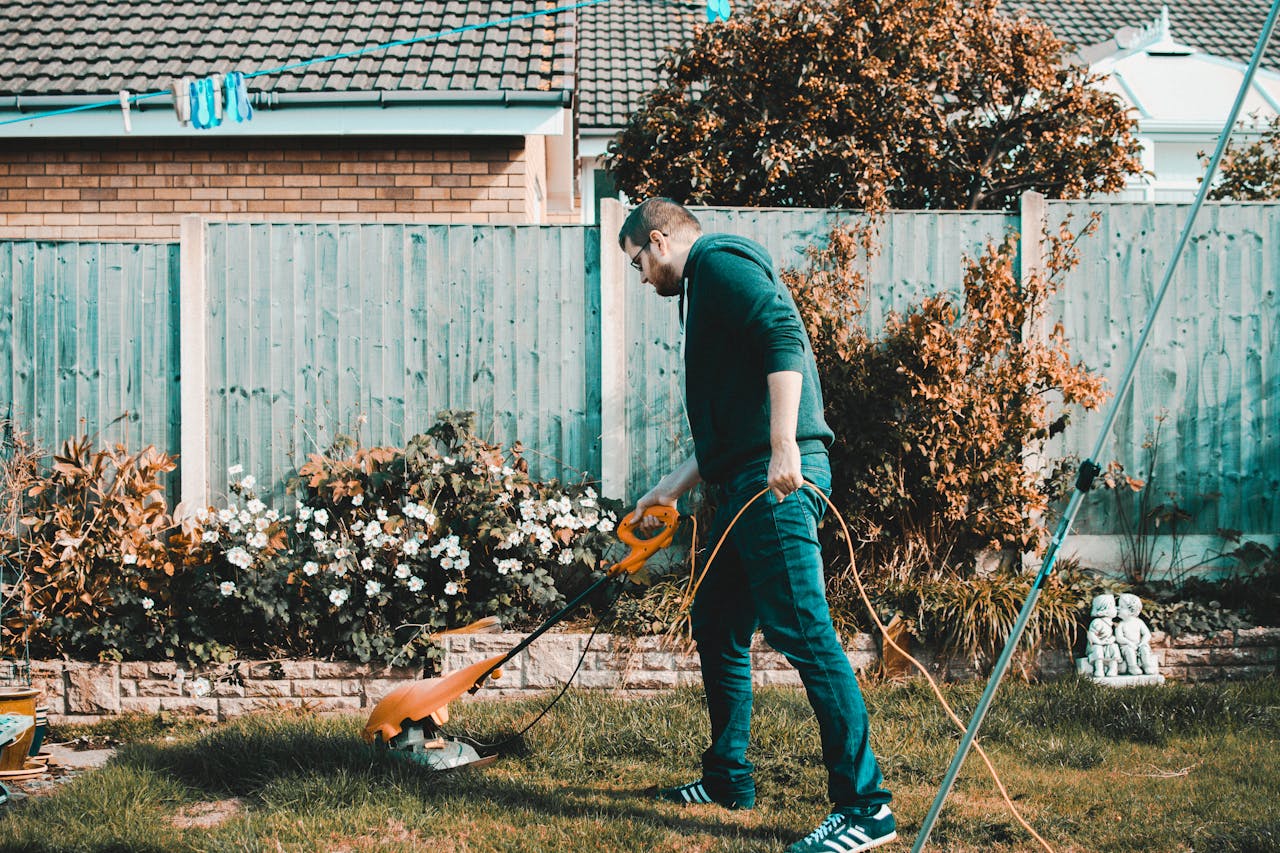
Nobody has time to spend entire weekends working in the yard anymore. Between work, family commitments, and everything else going on, outdoor maintenance often gets pushed to the bottom of the priority list. But letting your yard go completely isn’t an option either—property values matter, neighbors notice, and eventually the mess becomes overwhelming.
The trick is working smarter instead of harder. With the right tools and approach, most yard maintenance can happen in quick bursts rather than marathon weekend sessions. Modern equipment has gotten so much better at tackling big jobs fast that many homeowners still use outdated methods simply because they don’t know what’s available now.
Table of Contents
Speed Up the Biggest Time Wasters
Raking leaves by hand is probably the worst way to spend a Saturday afternoon. It’s slow, tiring, and you never seem to get everything. The same goes for sweeping debris off driveways and patios with a broom. These old-school approaches take forever and leave you exhausted.
Power tools change everything when it comes to cleanup speed. A good electric blower can clear leaves from your entire yard in the time it would take to rake one small area. Battery-powered models give you the freedom to work anywhere without dealing with extension cords, and they’re quiet enough to use without annoying the whole neighborhood.
The same principle applies to other time-consuming tasks. String trimmers handle edge work around fences and flower beds in minutes instead of the hours it takes with hand shears. Pressure washers blast away dirt and algae from driveways and walkways faster than scrubbing ever could. The initial investment in good tools pays off quickly when you consider how much time they save.
Strategic Mowing Cuts Hours Per Month
Most people mow their lawns too often or at the wrong times, wasting hours they don’t have. Grass doesn’t grow at the same rate all season, and adjusting your mowing schedule accordingly can save significant time while actually improving lawn health.
During spring and early summer when grass grows fastest, weekly mowing makes sense. But as growth slows in late summer and fall, you can often stretch that to every ten days or two weeks. Cutting grass too short also backfires—it stresses the lawn and creates more weed problems that require extra work later.
Self-propelled mowers eliminate the physical effort of pushing, letting you cover ground faster with less fatigue. For larger properties, zero-turn mowers or riding mowers become worthwhile investments. Even battery-powered walk-behind mowers now have enough runtime to handle most residential lawns without the maintenance headaches of gas engines.
Mulching Eliminates Bagging Time
Bagging grass clippings and hauling them to the curb takes almost as long as the actual mowing. Mulching mowers chop clippings into tiny pieces that fall back into the lawn, feeding the soil and eliminating disposal work entirely.
The same approach works for fallen leaves in moderate amounts. Instead of raking and bagging everything, run a mulching mower over areas with light leaf coverage. The shredded leaves decompose quickly and actually benefit the lawn. Only heavy accumulations need to be cleared away to prevent grass from being smothered.
This strategy works best when you stay on top of things rather than letting leaves pile up for weeks. A quick pass with the mower every week or two during fall prevents major cleanup sessions later.
Water Smarter, Not Longer
Watering takes time and attention most busy people don’t have. Hand watering with a hose means standing around for ages, while moving sprinklers around the yard requires constant monitoring and repositioning.
Programmable sprinkler timers let you water automatically on a schedule that works for your grass and your life. Set them to run early morning when water pressure is good and evaporation is minimal. Smart controllers adjust watering based on weather conditions, so you’re not wasting water or time on unnecessary irrigation.
For smaller areas or new plantings that need special attention, soaker hoses provide efficient watering without the time commitment. Lay them once and let them run while you do other things.
Preventive Maintenance Saves Future Time
Spending a little time on prevention eliminates much larger problems later. Pulling weeds when they’re small takes minutes, but waiting until they’re established requires hours of work. The same goes for trimming shrubs and pruning trees—regular light maintenance prevents major cutting sessions.
Pre-emergent herbicides applied in early spring stop weeds before they start, eliminating most hand-pulling later. Proper fertilization keeps grass thick and healthy, naturally crowding out weeds that would otherwise require individual attention.
Sharp mower blades cut grass cleanly and require less engine power, making mowing faster and easier. Dull blades tear grass, creating brown tips that make lawns look bad even when everything else is maintained well.
Seasonal Strategies That Save Time
Different seasons require different approaches to maximize efficiency. Spring preparation sets the tone for the entire year—getting equipment serviced, applying pre-emergent treatments, and addressing any winter damage early prevents bigger problems later.
Summer maintenance focuses on efficiency during peak growing season. Early morning work avoids heat and gets tasks done before other commitments take over the day. Evening watering gives grass time to absorb moisture before the next day’s heat.
Fall cleanup becomes manageable when broken into smaller tasks spread over several weeks rather than one massive effort. Start with areas that get the most leaves first, then work through the rest of the property gradually. This approach prevents overwhelming piles of debris that take forever to clear.
Storage and Organization Speed Things Up
Keeping tools organized and easily accessible eliminates the time wasted looking for equipment or making multiple trips to the shed. Simple pegboards and hooks keep hand tools visible and ready to grab. Battery-powered tools benefit from dedicated charging stations so they’re always ready when needed.
Having the right supplies on hand prevents trips to the store that eat up valuable weekend time. Stock up on basics during off-season sales—fertilizer, mulch, grass seed, and common replacement parts for equipment.
When to Call for Help
Busy schedules sometimes require strategic use of professional help for specific tasks. Having a service handle one or two major jobs per year—maybe spring cleanup and fall leaf removal—frees up time for regular maintenance you can handle quickly yourself.
Tree trimming, major landscaping changes, and equipment repairs often take more time than busy homeowners can spare. Paying professionals for these bigger projects while handling routine maintenance yourself strikes a good balance between cost and time management.
The key is recognizing which tasks actually save time when outsourced versus which ones are quick enough to handle yourself with proper equipment. Nobody needs to spend entire weekends on yard work when smart tool choices and efficient techniques can accomplish the same results in a fraction of the time.